
General & Family Dentistry
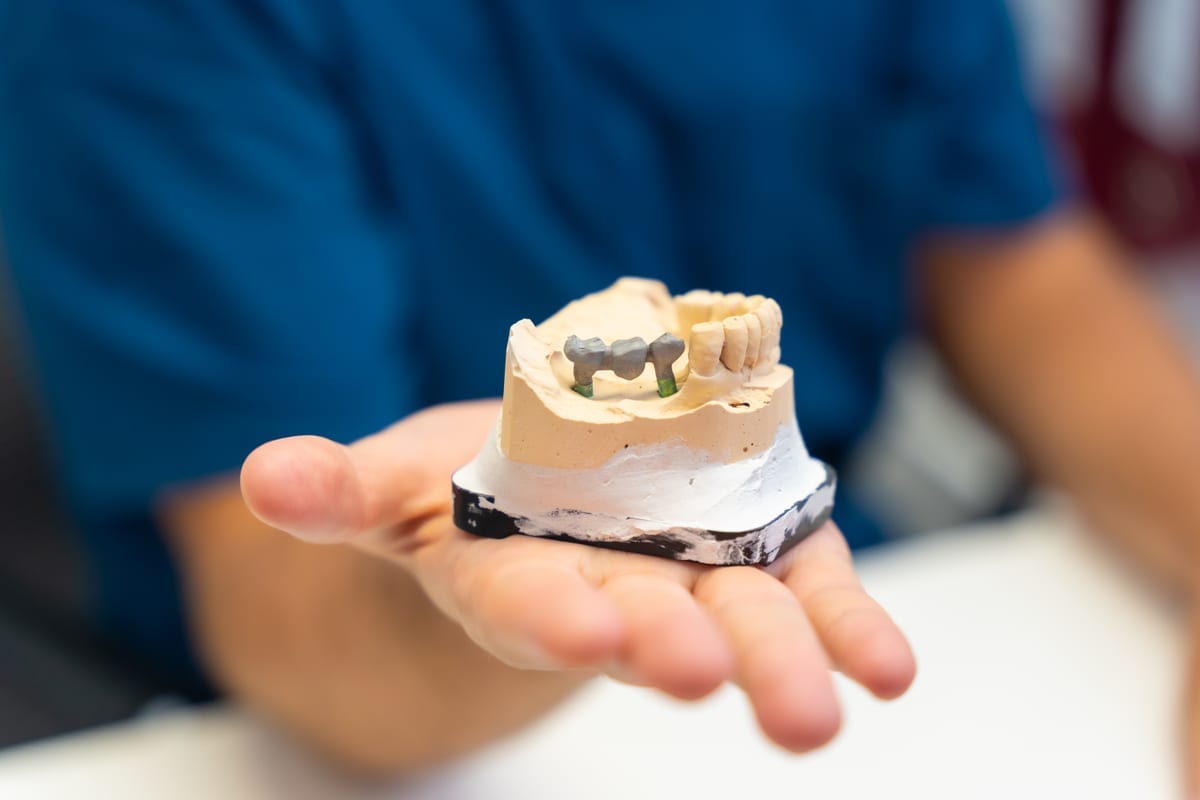
If your dentist recently told you that you need a crown, you might have questions. It can feel overwhelming to hear that recommendation without a full explanation. Understanding why your dentist recommended a crown is the first step toward making a confident decision. At Johnston Dental Artistry, Dr. Geoffrey Johnston helps patients in White Center and the greater Seattle area understand exactly what their treatment means — and why it matters.
A dental crown is a tooth-shaped cap placed over a damaged tooth. It restores shape, strength, and function. Crowns are one of the most reliable tools in Restorative Dentistry, and they are recommended for specific clinical reasons — not randomly. Let’s walk through what those reasons are.
Common Clinical Reasons Your Dentist Recommends a Crown in White Center
There is always a reason behind a crown recommendation. Dentists do not suggest this treatment lightly. In most cases, the tooth has reached a point where a simple filling or patch will not hold. Below are the most common situations where a crown becomes the right clinical answer.
- Cracked or fractured tooth: Cracks spread over time. A crown holds the tooth together and prevents the crack from worsening.
- Large or failed filling: When a filling takes up too much tooth structure, the remaining tooth is too weak. A crown provides full coverage.
- After a root canal: Root canal-treated teeth become brittle. A crown protects the tooth from breaking under normal chewing pressure.
- Broken cusp: A broken cusp leaves the tooth uneven and vulnerable. A crown restores the proper bite and prevents further damage.
- Severe decay: When decay is too extensive for a filling, a crown covers and seals the entire tooth surface.
Each of these scenarios has one thing in common — the tooth needs more protection than a filling can offer. A crown steps in to do that job effectively.
Why a Cracked Tooth Can’t Always Wait
A crack might not hurt right away. That is part of what makes it tricky. Many patients in White Center are surprised to learn their tooth is cracked because they feel little or no discomfort. However, cracks that go untreated tend to grow.
When you chew, pressure spreads down through the crack. Over time, the crack can reach the root or the nerve. At that point, the treatment becomes far more complex. A crown placed early can stop that process entirely.
Dr. Johnston uses detailed imaging to detect cracks that are not visible to the naked eye. Early identification allows for earlier, simpler treatment. That is better for your tooth — and for your long-term dental health.
When a Filling Is No Longer Enough: Understanding Large Filling Failure
Fillings are excellent for small to mid-sized areas of decay. But there is a limit to how large a filling can be before it weakens the surrounding tooth. When that limit is exceeded, the tooth becomes prone to fracture.
If your dentist explained that your filling is failing or too large, it means the remaining natural tooth structure cannot support a new filling safely. This is one of the clearest clinical signals that a crown is necessary. A crown wraps around the entire tooth, distributing bite force evenly.
This is not about preference — it is about physics. A weakened tooth with a large filling can split during something as simple as eating. A crown prevents that outcome before it happens. Patients who understand this reasoning feel much more comfortable moving forward with treatment.
Crowns After Root Canals: Protecting What Was Saved
Root canal therapy saves a tooth by removing infected tissue inside. The procedure is highly effective. But once the pulp is removed, the tooth loses its internal moisture source. Over time, the tooth becomes more brittle than a living tooth.
This is why Dr. Johnston and most dentists place a crown after a root canal on a back tooth. Without a crown, the brittle tooth can crack vertically — often leading to extraction. A crown gives that treated tooth the protection it needs to last for many years.
Patients often ask whether a crown is truly necessary after a root canal. For front teeth with minimal damage, the answer varies. But for molars and premolars that handle heavy chewing pressure, a crown is almost always the right call. It protects your investment in saving the tooth.
- Crowns after root canals extend the life of the treated tooth.
- They prevent vertical fractures that cannot be repaired.
- They restore normal bite function and comfort.
- They seal the tooth from bacterial re-entry.
What the Crown Process Looks Like at Johnston Dental Artistry
Understanding the process can ease a lot of anxiety. Most crown procedures take two appointments. The first visit involves preparing the tooth, taking impressions, and placing a temporary crown. The second visit places the permanent crown once it is ready.
Dr. Johnston takes a patient-centered approach at every stage. He explains each step clearly and checks in on your comfort throughout. Sedation options are available for patients who feel anxious about dental procedures. The goal is always to make the experience as smooth as possible.
Modern crowns are designed to match your natural tooth color. They look and feel like a real tooth. Most patients adapt to their new crown within a few days. With proper care, a crown can last 10 to 15 years or longer.
Crowns also play a role in smile transformations. When combined with other treatments, they can dramatically improve both function and appearance. If you are curious about what a full smile transformation involves, our Cosmetic Dentistry page covers the options available to White Center patients.
Conclusion: Your Crown Recommendation Is a Clinical Decision
A crown recommendation is never made without cause. It reflects a careful evaluation of your tooth’s current condition and long-term risk. Dr. Geoffrey Johnston takes the time to explain the reasoning behind every recommendation so that you feel informed and empowered.
Patients in White Center trust Johnston Dental Artistry because we prioritize education over pressure. If you have questions about a crown recommendation or want a second opinion, we are here to help. Book Now to schedule your appointment with our team.
Frequently Asked Questions
How do I know if I really need a crown or just a filling?
Your dentist will evaluate the size of the damage, the amount of healthy tooth structure remaining, and your bite. If more than half the tooth is affected, or if a crack is present, a crown is usually the more appropriate solution. A filling cannot adequately protect a tooth that has lost significant structure.
Does getting a crown hurt?
The procedure is performed under local anesthesia, so you should not feel pain during treatment. Some mild sensitivity or soreness afterward is normal and typically fades within a few days. Dr. Johnston also offers sedation options for patients who experience dental anxiety.
How long does a dental crown last?
A well-placed crown can last 10 to 15 years or more with proper oral hygiene and regular dental visits. Avoiding habits like grinding your teeth and chewing on hard objects can significantly extend the life of your crown.
Can a crown fall off?
In rare cases, a crown can loosen if the underlying tooth changes or if the cement weakens over time. If this happens, do not panic — contact Johnston Dental Artistry promptly. In many cases, the same crown can be re-cemented without needing a replacement.
Is a crown the same as a cap?
Yes, the terms are used interchangeably. A dental crown and a dental cap refer to the same restoration — a tooth-shaped covering placed over a damaged or weakened tooth to restore its shape, strength, and function.