General & Family Dentistry
Are you thinking about improving your smile with clear aligners but already have dental implants? You’re not alone in wondering whether these two treatments can work together. Many patients who’ve received dental implants later explore orthodontic options like clear aligners to further enhance their smiles, but they wonder if the presence of implants complicates the process.
Clear aligners are designed to straighten teeth, while dental implants serve as permanent replacements for missing teeth. But can these treatments coexist? In this blog, we’ll dive into the details of clear aligners and dental implants, discussing how they work together, the process involved, and what to expect if you’re considering both for your smile transformation.
What Are Clear Aligners and Dental Implants?
Clear Aligners
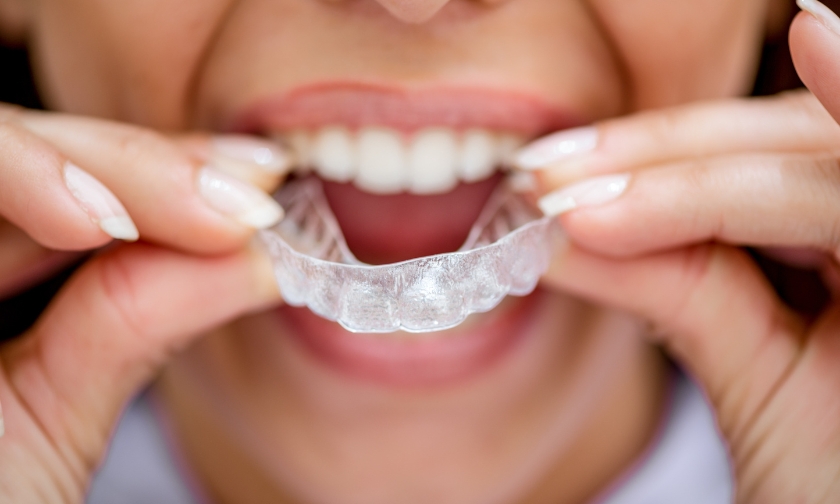
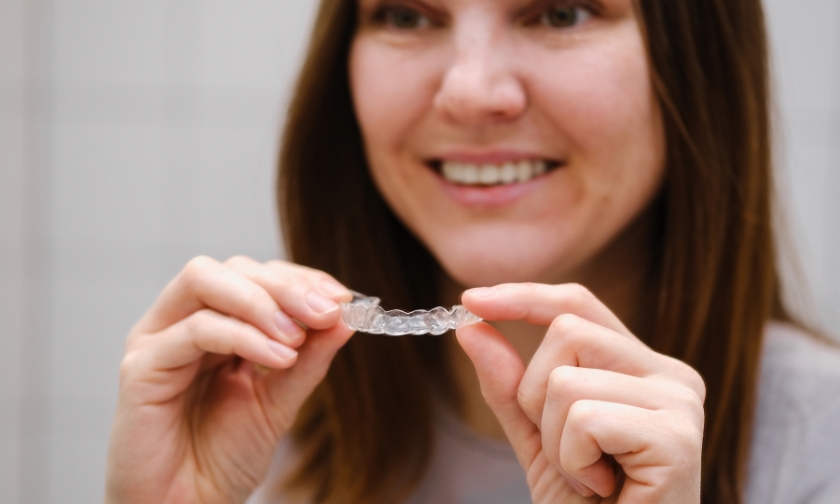
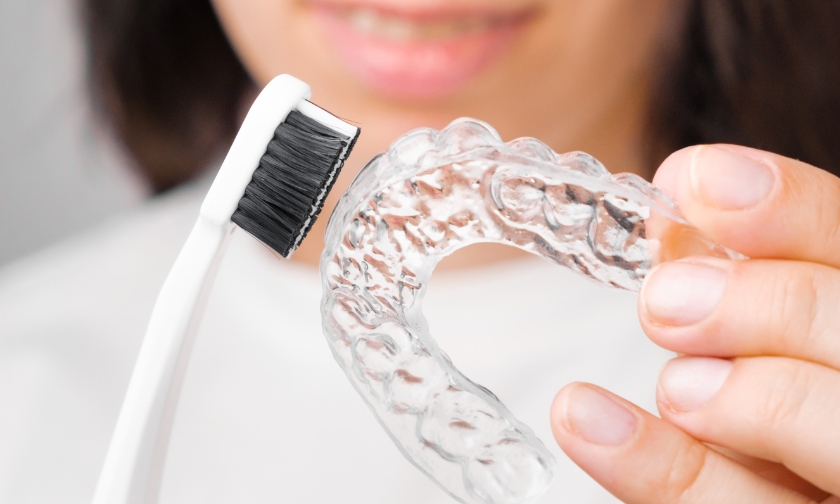
Clear aligners, like Invisalign, are a modern solution for teeth straightening. Made of smooth, transparent plastic, these aligners gradually move your teeth into better alignment.
Unlike traditional metal braces, clear aligners are removable and discreet, offering a more comfortable and aesthetically pleasing option. Aligners are custom-made to fit your teeth, and they need to be worn for most of the day and night, only removed when eating, drinking, or brushing your teeth.
Dental Implants
Dental implants are artificial tooth roots made of titanium that are surgically placed into the jawbone to replace missing teeth. They provide a strong foundation for a crown, bridge, or denture, offering long-term solutions for missing teeth.
Implants function like natural teeth, providing both aesthetic and functional benefits, and they can last for many years when cared for properly.
Difference Between the Two
While clear aligners are designed to reposition existing natural teeth, dental implants are used to replace missing teeth. The key difference lies in their purpose: aligners work to move teeth into the right position, while implants provide structure and support where teeth are missing.
However, these treatments can complement each other when used correctly, especially when you’re aiming for both alignment and tooth replacement in your smile makeover.
Can You Get Clear Aligners with Dental Implants?
General Compatibility
Yes, you can use clear aligners with dental implants! In fact, many people with implants opt for clear aligners in Seattle to align their remaining natural teeth. When you have dental implants, your orthodontist will take them into account during your treatment planning.
Since implants are securely anchored in the jaw, they do not move, meaning they won’t be affected by the aligners. However, the rest of your teeth will still be realigned, which can improve the overall symmetry of your smile.
Challenges and Considerations
There are a few things to consider before getting clear aligners with dental implants. Since implants are fixed in place, they won’t move like your natural teeth, which means the aligners will only shift the surrounding teeth.
Additionally, the size, shape, and position of your implant might need to be considered when developing your treatment plan. If there are any concerns with your implant, such as a misaligned implant or inadequate spacing, your orthodontist may recommend a different approach, such as dental work to improve the alignment of the implant itself before starting aligner treatment.
Dentist’s Role
It’s crucial to consult with both your orthodontist and dentist before starting clear aligner treatment if you have dental implants. Your dentist will assess the condition of your implants and any potential complications, while your orthodontist will ensure that the aligners will work effectively with your dental implants.
A personalized plan will help achieve the best results, whether you’re aiming for better tooth alignment or overall smile enhancement.
The Process of Getting Clear Aligners After Dental Implants
Initial Assessment
Before beginning clear aligner treatment, your dentist will evaluate your dental implants and overall oral health. This is important to ensure that your implants are securely placed and functioning properly. Your orthodontist will then conduct a detailed examination of your remaining teeth and create a treatment plan that incorporates your implants while addressing the alignment of your other teeth.
Treatment Plan
Once your dental health has been assessed, your orthodontist will design a customized treatment plan based on your specific needs. The treatment will focus on moving your natural teeth into better alignment without affecting your implants. This might include tracking progress with regular visits to monitor the movement of your teeth and to make any necessary adjustments to the aligners.
Timeline and Adjustments
Your treatment timeline may vary depending on your specific needs. In some cases, aligners can be worn for as little as six months, while more complex cases may require longer treatment.
As you progress, your orthodontist may make refinements to the aligners to ensure that they continue to move your teeth effectively. Keep in mind that since implants don’t move, the adjustment process for the remaining teeth may take a bit longer than it would for a full set of natural teeth.
Benefits of Using Clear Aligners with Dental Implants
Improved Aesthetics and Functionality
Clear aligners can help you achieve a more balanced and aesthetically pleasing smile, even if you have dental implants. Aligning the surrounding teeth will complement the look of your implants and create a more uniform appearance.
Whether your goal is to close gaps, correct bite issues, or straighten slightly crooked teeth, aligners can improve the overall function and appearance of your smile.
Better Bite and Comfort
Aligning your natural teeth with clear aligners can also improve your bite, leading to better comfort during everyday activities such as chewing and speaking. A properly aligned bite reduces unnecessary pressure on your dental implants and ensures that the alignment of your teeth doesn’t cause discomfort or long-term damage.
If you’re experiencing bite issues due to misalignment, clear aligners in Seattle can help resolve them while preserving the integrity of your dental implants.
Potential Risks and Considerations
Complications
Although it’s generally safe to use clear aligners with dental implants, there are a few potential complications to keep in mind. Since implants do not move, any pressure from the aligners may cause discomfort or pressure around the implant area. It’s essential to closely monitor the progress of your treatment and consult your dentist if any discomfort arises.
Additionally, if your implant has shifted or was not placed optimally, it may need to be addressed before aligner treatment begins.
Limitations
One limitation is that clear aligners may not be suitable for every patient with dental implants, especially if there are complications with the implants themselves. Additionally, the process may take longer than usual, as refinements and follow-up care will be necessary to ensure the treatment is progressing as planned.
Patients with implants must work closely with their dental and orthodontic teams to ensure optimal results.
Why You Should Consult an Expert
Expert Advice
It’s important to consult both a dentist and an orthodontist before deciding to move forward with clear aligners when you have dental implants. Your dentist will ensure that the implants are stable and healthy, while your orthodontist will create a treatment plan that accounts for your implants and natural teeth. A comprehensive consultation will help you understand your options and give you the confidence to proceed with clear aligner treatment.
Customized Treatment
A customized treatment plan is essential for achieving the best results with clear aligners and dental implants. Each person’s dental structure is unique, and a plan tailored specifically to your needs will ensure that you get the most effective treatment while maintaining the integrity of your implants.
In conclusion, it is absolutely possible to get clear aligners if you have dental implants, as long as you consult with your dentist and orthodontist to create a personalized treatment plan. Clear aligners can improve both the appearance and functionality of your smile while complementing your dental implants.
If you’re ready to enhance your smile and ensure your dental implants align perfectly with your natural teeth, schedule a consultation with Johnston Dental Artistry today. Our professional team is here to guide you through the process and help you achieve the smile you’ve always dreamed of!
Frequently Asked Questions
How long does clear aligner treatment take if I have implants?
The treatment timeline may vary, but it typically lasts between six months to a year, depending on the complexity of your case.
Can clear aligners affect the stability of my dental implants?
No, clear aligners will not affect the stability of your implants, as they do not move once placed.
Will my dental implants affect the fit of my clear aligners?
No, dental implants don’t affect the fit of your clear aligners since implants are fixed and don’t move, allowing the aligners to focus on your natural teeth.
Should I wait until my dental implants fully heal before getting clear aligners?
Yes, it’s important to wait until your implants have fully healed and integrated with the bone before starting clear aligner treatment.
Can I eat and drink normally with clear aligners if I have implants?
Yes, you can eat and drink normally with clear aligners as long as you remove them during meals. Just be sure to brush your teeth before reinserting them.