General & Family Dentistry
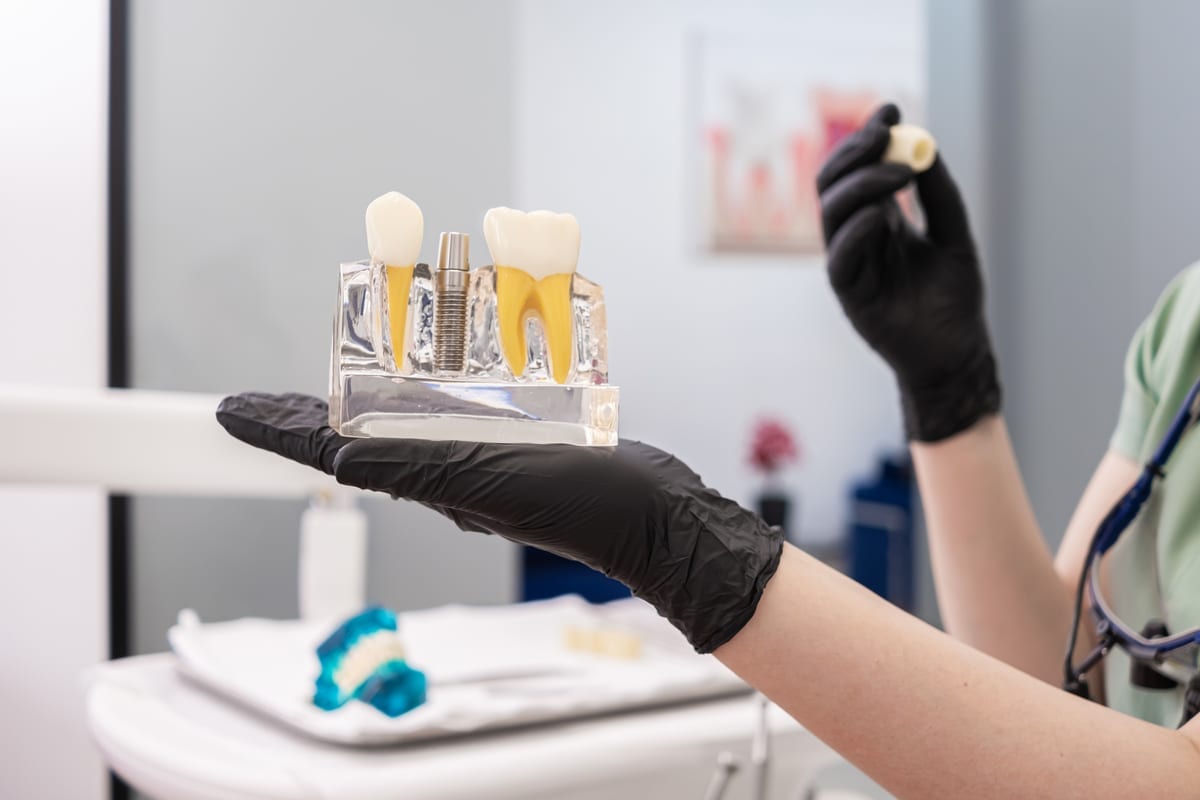
Choosing a dental crown can feel overwhelming. When your dentist mentions porcelain vs zirconia vs metal crowns, you want to know which one is right for you in Seattle. Each material has distinct strengths, trade-offs, and ideal uses. Understanding your options helps you walk into your appointment with confidence.
At Johnston Dental Artistry, Dr. Geoffrey Johnston helps Seattle patients make informed decisions every day. Whether you need a crown for a back molar or a front tooth, the right material matters. This guide breaks down everything you need to know about dental crown materials.
Understanding the Three Main Crown Materials in Seattle
Dental crowns restore damaged, weakened, or decayed teeth. They cap the tooth entirely, protecting it from further harm. Dentists use three primary materials: porcelain, zirconia, and metal. Each one performs differently depending on where it sits in your mouth and what you need from it.
Porcelain crowns are made entirely from dental ceramic. Zirconia crowns are crafted from a very strong type of crystal oxide. Metal crowns are typically made from gold, silver, or mixed alloys. Knowing how each behaves helps you and your dentist choose wisely.
This comparison also connects to broader Restorative Dentistry Seattle services, which aim to rebuild both function and appearance after tooth damage or decay.
Porcelain Crowns: Aesthetics First
Porcelain crowns are the most natural-looking option available. They mimic the translucency and color of real enamel almost perfectly. This makes them the go-to choice for front teeth that show when you smile. Seattle patients who prioritize appearance often ask about porcelain first.
However, porcelain has a few limitations worth knowing:
- Less durable than zirconia or metal under heavy biting forces
- Can chip or crack over time, especially on back teeth
- May wear down opposing teeth if the ceramic surface roughens
- Typically costs more than metal but less than full zirconia in some cases
Porcelain crowns bond well to teeth and rarely cause allergic reactions. They work best on incisors and canines. Your dentist at Johnston Dental Artistry will assess your bite before recommending them for high-pressure areas.
Zirconia Crowns: Strength Meets Beauty
Zirconia has become the most popular crown material in modern dentistry. It combines remarkable strength with a natural, tooth-like appearance. Zirconia can handle the heavy chewing forces of back molars without cracking. It also works well for front teeth when aesthetics matter.
Here are some key advantages of zirconia crowns:
- Extremely durable — resists fracture better than porcelain alone
- Biocompatible and metal-free, making it safe for most patients
- Can be milled same-day with digital technology in many offices
- Blends naturally with surrounding teeth in shade and translucency
- Requires minimal tooth reduction in some designs
Zirconia does cost more than metal crowns on average. But many Seattle patients find the investment worthwhile given its longevity. It bridges the gap between full aesthetics and full function better than any other material right now.
For patients exploring full smile transformations, zirconia crowns often play a role in Cosmetic Dentistry Seattle treatment plans alongside veneers and teeth whitening.
Metal Crowns: Unmatched Durability for the Right Cases
Metal crowns — including gold alloy and base metal alloys — have been used in dentistry for over a century. They are the strongest option available. Metal crowns rarely chip, crack, or fracture. They also require the least amount of healthy tooth structure to be removed during preparation.
Metal crowns are best suited for:
- Second molars hidden far back in the mouth
- Patients who grind their teeth heavily (bruxism)
- Cases where tooth structure is very limited
- Situations where longevity outweighs cosmetic concern
The obvious downside is appearance. Metal crowns are clearly visible and noticeable. Most Seattle patients prefer not to use them on visible teeth for this reason. That said, for posterior teeth that never show when you smile, metal remains a highly practical and long-lasting choice.
Gold alloy crowns, in particular, are gentle on opposing teeth. They wear at a similar rate to natural enamel. Dr. Johnston may recommend metal when durability is the top priority and visibility is not a concern.
How Your Seattle Dentist Decides Which Crown Is Right for You
No single crown material fits every situation. Your dentist considers multiple factors before making a recommendation. Understanding these factors helps you participate actively in treatment decisions.
Key considerations include:
- Location in the mouth: Front teeth benefit from aesthetics; back teeth need strength
- Bite force: Heavy grinders need tougher materials like zirconia or metal
- Remaining tooth structure: Less tooth means the crown must fit precisely
- Aesthetic goals: Smile makeover patients prioritize appearance
- Gum sensitivity: Metal allergies make zirconia or porcelain a better fit
Dr. Johnston takes a comprehensive approach at every exam. He looks at X-rays, bite alignment, and your overall dental health. He then explains his recommendation clearly so you understand the reasoning before any treatment begins.
Seattle patients who are also considering orthodontic work should know that crown placement timing matters. Crowns placed before Invisalign may need repositioning. Your dentist will sequence treatment to give you the best long-term results.
Cost and Longevity: What Seattle Patients Should Expect
Crown costs in Seattle vary based on material, complexity, and the specific tooth being treated. Metal crowns are generally the most affordable option. Porcelain-fused-to-metal crowns fall in a mid-range. Full zirconia and all-porcelain crowns tend to cost more upfront.
However, longevity affects overall value significantly. Metal crowns can last 20 to 30 years or longer with proper care. Zirconia crowns typically last 15 to 25 years. Porcelain crowns may need replacement sooner if they chip or wear. Choosing the cheaper option now may mean replacing it sooner.
Good oral hygiene extends the life of any crown. Brushing twice daily, flossing carefully around the crown margin, and attending regular cleanings all matter. Dr. Johnston’s team will walk you through maintenance at every checkup.
Conclusion: Making the Right Crown Choice in Seattle
Understanding porcelain vs zirconia vs metal crowns helps you make a confident, informed decision in Seattle. Each material serves a purpose. Porcelain excels in aesthetics. Zirconia balances beauty and strength. Metal offers unmatched durability for hidden teeth. Your dentist weighs your specific needs before recommending anything.
At Johnston Dental Artistry, Dr. Geoffrey Johnston takes the time to explain every option clearly. You deserve to understand what goes into your mouth and why. A well-chosen crown can last decades and restore your smile and function completely. Book Now to schedule your appointment with our team.
Frequently Asked Questions
Which crown material looks the most natural?
Porcelain and high-translucency zirconia crowns look the most natural. Both can closely match the color and light-reflecting properties of real teeth. For front teeth, these two options are typically preferred for their aesthetic results.
How long does a dental crown last in Seattle?
Crown lifespan depends on the material and how well you care for it. Metal crowns can last 20 to 30 years. Zirconia crowns typically last 15 to 25 years. Porcelain crowns may last 10 to 15 years with proper maintenance and regular dental visits.
Is zirconia better than porcelain for back teeth?
Yes, zirconia is generally the better choice for back teeth. It handles heavy chewing and grinding forces much better than porcelain alone. Zirconia also looks natural enough that it works well for visible back teeth too.
Can I get a crown replaced if I do not like the material?
Yes, crowns can be replaced if needed. However, each replacement requires removing more of the original tooth structure. It is best to choose the right material from the start. Dr. Johnston will discuss all options thoroughly before your crown is placed.
Do metal crowns cause any health concerns?
Metal crowns made from gold or high-quality alloys are generally safe and biocompatible. Some patients with metal sensitivities may react to base metal alloys. If you have known metal sensitivities, tell your dentist. Zirconia or porcelain crowns are excellent metal-free alternatives.