General & Family Dentistry
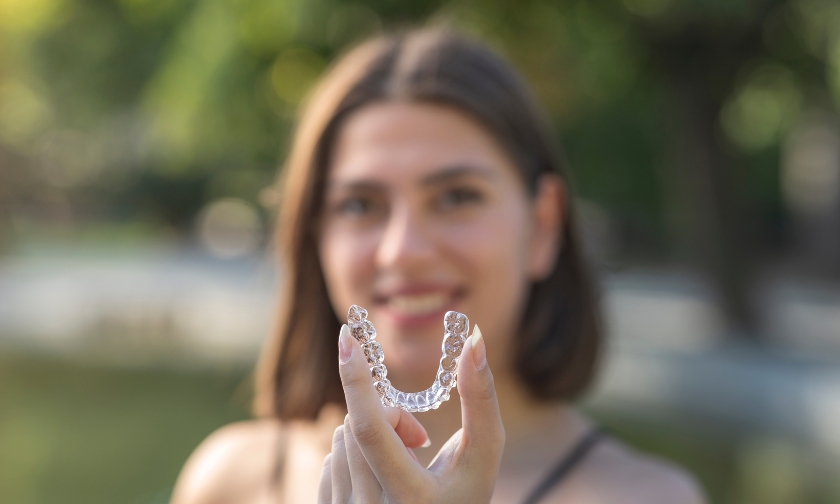
You’ve been diligently wearing your clear aligners, following all the instructions, and yet, you’ve noticed something unsettling. Your clear aligners are turning yellow. What happened? It’s a common frustration that many people experience during their orthodontic treatment, and it can be concerning. After all, clear aligners are designed to be discreet and blend in with your natural smile.
Clear aligners play a crucial role in helping straighten your teeth, offering a more comfortable and less noticeable alternative to traditional braces. But their appearance matters, not just for aesthetics but also for the overall effectiveness of your treatment. Yellowing can be a sign of improper care, which could ultimately affect your results.
In this blog, we’ll explore the reasons behind why clear aligners turn yellow and, more importantly, how to prevent it. Let’s dive in!
Common Causes of Yellowing
Poor Hygiene
One of the most significant causes of yellowing clear aligners is poor hygiene. If you don’t clean your aligners regularly, food particles, bacteria, and plaque can accumulate, leading to discoloration. When you wear your aligners, they can trap tiny particles from the food and drinks you consume.
Over time, these particles mix with bacteria in your mouth, creating a breeding ground for plaque buildup. Plaque can not only yellow your aligners but also contribute to bad breath and oral health problems. To keep your aligners clear, it’s essential to clean them after each meal and use a gentle cleaner like lukewarm water and mild soap.
Staining Foods and Drinks
Certain foods and drinks are known to cause stains on clear aligners, much like they do on your teeth. Beverages like coffee, tea, and red wine are notorious for leaving stains due to their dark pigments.
Similarly, foods like curry, berries, and tomato-based sauces can stain your aligners over time. While these foods and drinks may not affect the color of your teeth as drastically, they can leave a visible yellow tint on your aligners.
To prevent this, remove your aligners before eating or drinking anything that could cause staining. If you must consume them, rinse your mouth and clean your aligners as soon as possible.
Mouth Bacteria and Plaque
Your mouth naturally contains bacteria, and some of these bacteria thrive on the food particles left behind on your aligners. When you don’t clean your aligners adequately, bacteria can build up, leading to the formation of plaque. This sticky substance not only causes yellowing but can also lead to tooth decay and gum disease.
Plaque buildup on your aligners can make them look discolored and affect their effectiveness in aligning your teeth. To prevent plaque buildup, clean your aligners every time you remove them and keep up with your regular oral hygiene routine, including brushing and flossing.
Improper Storage
Improper storage of your aligners can also lead to yellowing. If you leave them in hot or humid environments, such as inside a car or in a bathroom, the material can break down, become discolored, or even warp.
Heat and humidity can cause the plastic to yellow or become brittle, making your aligners less effective and less appealing. Always store your aligners in their protective case when not in use and keep them in a cool, dry place. This will help preserve their appearance and ensure they last throughout your treatment.
Use of Whitening Products
While it may seem tempting to use whitening toothpaste or mouthwash to keep your aligners sparkling, doing so can cause them to yellow. Whitening products often contain abrasives or chemicals that can damage the material of the aligners, leading to discoloration. These products can also leave behind a residue that builds up over time, making your aligners look cloudy or yellow.
Instead of whitening toothpaste, use a gentle cleaner specifically designed for clear aligners in Seattle, or simply wash them with lukewarm water and mild soap. If you feel the need to whiten your teeth during treatment, consult your orthodontist for safe alternatives.
By understanding these common causes of yellowing, you can take proactive steps to keep your clear aligners looking fresh and clean throughout your orthodontic journey.
How to Prevent Yellowing of Clear Aligners
Proper Cleaning Techniques
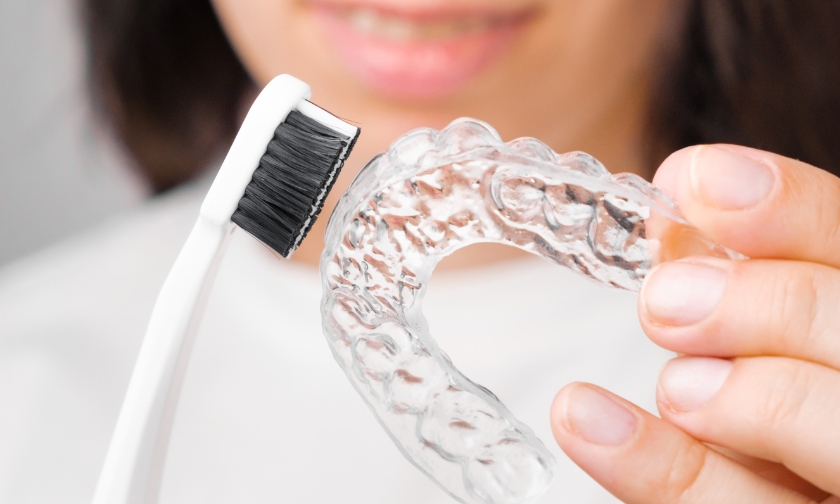
To prevent yellowing, it’s essential to clean your aligners daily. Use lukewarm water and mild soap to wash them. Avoid using toothpaste, which can be abrasive, or harsh chemicals that could damage the material. It’s also important to brush them gently to avoid any wear or scratches.
Avoid Staining Foods and Drinks
While you don’t have to give up your favorite foods and drinks entirely, it’s best to remove your aligners before consuming anything that might stain them. If you’re unable to remove them during meals, be sure to rinse your mouth with water afterward and clean the aligners as soon as possible.
Regular Cleaning Schedule
Create a regular cleaning routine for your aligners. Ideally, clean them after every meal to prevent food particles from sticking. Additionally, soak them in a cleaning solution designed for aligners to maintain their clarity and cleanliness.
Proper Storage
When not in use, always store your aligners in their protective case to prevent them from being exposed to dust, dirt, or heat. This will help keep them in top condition and prevent any yellowing due to environmental factors. Make sure to store them in a cool, dry place.
Replacing Aligners When Necessary
Clear aligners are meant to be replaced regularly throughout your treatment plan. If you notice that your aligners have become significantly yellowed or damaged, it may be time to replace them. Replacing your aligners as needed ensures that your treatment continues smoothly and effectively.
What to Do if Your Aligners Have Already Turned Yellow
Professional Cleaning
If you’ve noticed yellowing on your aligners that isn’t going away with regular cleaning, it may be time for a professional cleaning. Your orthodontist can clean your aligners thoroughly and even recommend solutions that are safe for clear aligners. A professional cleaning can help restore their clarity without causing any damage.
Using Aligners-Specific Cleaning Products
There are cleaning products specifically designed for clear aligners in Seattle that can help reduce staining. These products are safe and effective, helping to remove plaque buildup and restore the transparency of your aligners. Avoid using harsh chemicals or regular mouthwash, as these can damage the material and worsen the discoloration.
Replacement Options
If yellowing is irreversible, the best course of action is to replace your aligners. Continuing to wear damaged or yellowed aligners may not only affect the aesthetics of your smile but also hinder your progress in orthodontic treatment. Talk to your orthodontist about getting a fresh set of aligners to ensure your treatment stays on track.
The Importance of Aligners Maintenance for Successful Treatment
Maintaining Clear Aligners for Optimal Results
Taking good care of your clear aligners is crucial for the success of your treatment. Maintaining them properly ensures that your teeth are moving as planned and that your results remain on track. Neglecting to clean or care for your aligners could cause delays or even interfere with your treatment outcomes.
Long-Term Health Benefits
Clear aligners are not just about aesthetics. They also contribute to long-term oral health. By maintaining a clean and healthy set of aligners, you are helping to prevent issues such as plaque buildup, gum disease, and tooth decay. Proper aligner care supports overall oral hygiene and helps you achieve the best possible results from your orthodontic treatment.
In summary, yellowing clear aligners are usually the result of poor hygiene, staining foods, bacterial buildup, improper storage, or the use of whitening products. However, by following proper cleaning techniques, avoiding staining foods, and storing your aligners properly, you can prevent this issue.
If you notice that your aligners have turned yellow, don’t hesitate to reach out to your orthodontist for guidance. A professional cleaning or replacement may be necessary to keep your treatment on track.
If you’ve noticed yellowing on your aligners, book an appointment with Johnston Dental Artistry today to ensure your treatment stays on track and your smile stays clear!
People Also Ask
Can I use toothpaste to clean my clear aligners?
It’s best to avoid toothpaste, as it can be abrasive and damage your aligners. Use mild soap and lukewarm water instead.
What foods and drinks cause yellowing of aligners?
Coffee, tea, red wine, curry, and berries can stain your aligners if consumed while wearing them.
Can heat or humidity affect my aligners?
Yes, storing aligners in hot or humid environments can cause them to warp or yellow. Always keep them in a cool, dry place.
Is it normal for aligners to yellow over time?
Some yellowing is normal, but excessive discoloration often indicates poor hygiene or improper care.
Can mouth bacteria cause yellowing of clear aligners?
Yes, bacteria in your mouth can mix with food particles to form plaque, which causes yellowing and other oral health issues.